

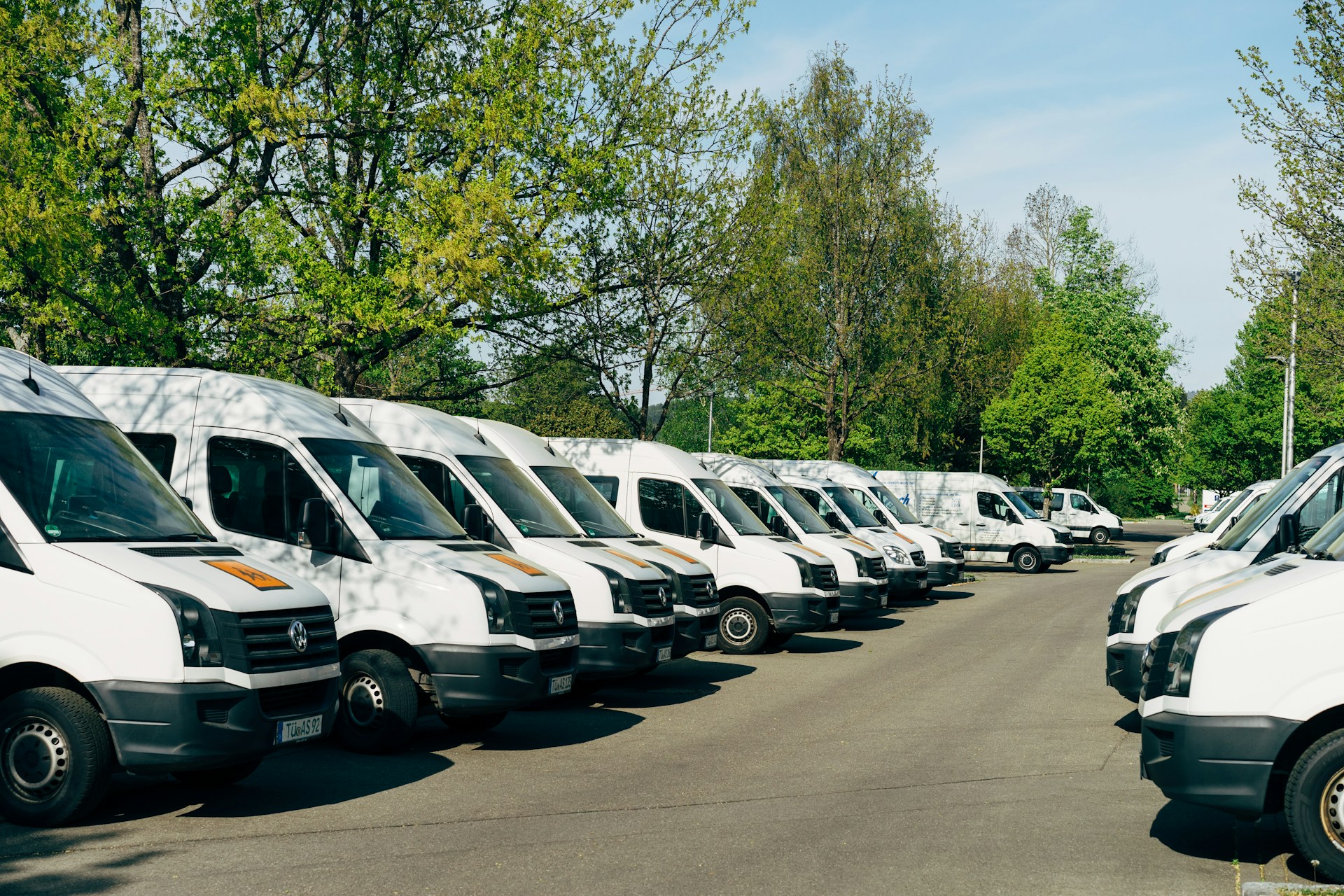
Van insurance often costs more than car insurance. Vans spend a lot of time on the road, carry heavier loads, are generally larger than standard cars and also carry more risk.
This usually means higher insurance premiums, whether you rely on your van for work or use it for personal transport.
But there are plenty of smart ways to reduce your van insurance costs and keep premiums down. From choosing the right policy for your needs to prioritising safe parking, this guide provides practical tips to help you find cheaper van insurance without compromising on the cover you need.
How to Get Cheaper Van Insurance: Your 12-Point Checklist
Van insurance is generally more expensive than car insurance because vans are typically driven more, travel longer distances and are more likely to be used for business purposes. From an insurer’s perspective, this can increase the risk of accidents and claims.
Commercial use is one of the biggest factors affecting cost, but insurers also take several other factors into account when calculating your premium and providing a quote.
Here are our 12 top tips for getting the best deal on van insurance.
1. Choose the Right Level of Cover
It’s easy to assume that lower levels of cover will always be cheaper, but that isn’t always the case. In some cases, comprehensive van insurance can actually cost less than third-party or third-party, fire and theft policies. By comparing all available options, you may get a higher level of protection for a lower premium.
2. Add a Named Driver
If another person occasionally drives your van, add them as a named driver. Insurers often view experienced drivers with a strong driving record favourably. This can lower the overall risk on the policy and bring down the cost of cover.
3. Increase Your Voluntary Excess
Your excess is the amount you agree to contribute towards the cost of a claim. By choosing a higher voluntary excess, you can often reduce the cost of your van insurance premium. However, it’s important to strike the right balance and make sure the excess remains affordable should you ever need to make a claim.
4. Pay Annually, Not Monthly
Choosing to pay for your van insurance in one annual payment is usually more cost-effective. Monthly instalments often include added interest or fees, which can increase the overall cost. By paying upfront, you can avoid these extras and keep your insurance cheaper overall.
5. Check Your Mileage
Always make sure your estimated annual mileage is as accurate as possible when taking out van insurance. If you overestimate, you could end up paying more than necessary. It’s also worth considering whether there are any opportunities to reduce your mileage, as driving less can help bring your insurance costs down.
6. Skip Unnecessary Extras
Take a close look at what your policy includes and which features are optional add-ons. It’s easy to end up paying for cover you don’t actually need. If there are extras you’re unlikely to use, it may be worth leaving them out. For example, if you never plan to drive your van outside the UK, European cover probably isn’t necessary.
7. Park in a Safe Place
Where you park your van can make a real difference to both its security and your insurance costs. Whenever possible, keep it off the road on a driveway or in a locked garage. Doing so helps reduce the risk of theft, vandalism or accidental damage from other vehicles, and could help you secure a lower insurance premium.
8. Make the Most of Your No Claims Bonus
Your no claims bonus (NCB) can make a big difference to the cost of your van insurance, with discounts typically increasing each year you go without making a claim, often anywhere from 30% to 60%.
Some policies, including those from Keith Michaels, allow you to protect your NCB once you’ve built up four or more years. This means that if you do make a claim, your discount stays intact.
9. Get Multi-Vehicle Insurance
If your van is a second vehicle, it’s worth considering a multi-vehicle policy. Insuring both your van and car together can often be cheaper than separate policies. You can also stack this with other savings like a no claims bonus or limited mileage, helping reduce costs further. Exact discounts will depend on your circumstances and vehicles.
10. Add Extra Van Security
Upgrading your van with additional security features like an alarm, immobiliser or tracking system can help reduce your insurance costs, as insurers often reward vehicles that are harder to steal. Look out for approved security devices, as these are widely recognised by insurers and can help you secure cheaper premiums.
11. Opt for Limited Mileage
If you drive less than the UK average of around 10,000–12,000 miles a year, you could benefit from a limited mileage discount. Many insurers offer reduced premiums for agreed annual limits such as 7,500, 5,000, 3,000 or even 1,500 miles. Just make sure your estimate is accurate. Exceeding your agreed mileage could affect your cover and potentially invalidate a claim.
12. Fit a Dashcam
A dashcam can be a valuable tool for resolving disputes and supporting your version of events in the event of a claim. In some cases, insurers may also offer discounts if you have a high-quality, properly installed device. Before buying one, it’s worth checking that your chosen dashcam is approved by your insurance provider.
How to Get Cheaper Van Insurance: Common Mistakes to Avoid
Simple mistakes can unnecessarily increase your van insurance costs. Keeping your details accurate and up to date can help you avoid paying more than you need to. Here are some common mistakes to avoid.
Don’t Auto-Renew Without Checking
It’s easy to assume your current insurer will still offer the best price, especially if you got a good deal last year. However, premiums can often rise at renewal if you simply let your policy roll over automatically.
To avoid paying more than you need to, it’s always worth comparing quotes each year and shopping around to make sure you’re still getting the best possible value.
Don’t Get the Wrong Type of Business Use
It’s essential to select the correct level of business use for how your van is actually driven. Choosing the wrong category could lead to serious problems if you need to make a claim.
If your cover doesn’t match your usage, your insurer may refuse to pay out, leaving you responsible for the full cost yourself.
Don’t Buy the Wrong Size Van
When choosing a van, it’s worth considering whether you really need a larger, more powerful model. In many cases, a smaller or more modest van will do the job just as well.
Opting for a van that better matches your actual needs can help reduce not only your insurance costs, but also your overall running expenses.
Always Think Carefully About Modifications
Not all van modifications are equal when it comes to insurance. While security upgrades or signwriting can sometimes help reduce premiums, many other changes, especially performance or cosmetic modifications, can push costs up.
Before making any alterations, consider whether they’re truly necessary and whether you’re comfortable with the potential impact on your insurance. Some providers also offer modified van insurance that specifically caters for vehicles that fall into this category.
Are You Looking for Cheaper Van Insurance?
At Keith Michaels, we’ve been protecting drivers with reliable commercial van insurance for decades. We also arrange modified van insurance for added peace of mind.
If you’re looking bring down the cost of insuring your van, get a quote today or contact us to discuss your insurance needs.
How to Get Cheaper Van Insurance FAQs
Here are some of your most frequently asked questions about getting cheaper van insurance.
How is Van Insurance Calculated?
Insurers calculate van insurance costs using a range of factors that reflect risk and usage. These include the make, model and value of the van, with larger or more expensive vehicles typically costing more to insure. The way you use your van also matters, with private use usually cheaper than business, especially courier or haulage work.
Your age and driving experience, annual mileage and driving history are also taken into account. Generally, more experience and a clean record help reduce costs, while higher mileage or recent claims and convictions can increase your premium.
Does the Size of My Van Affect My Insurance Policy?
Yes! The size of your van can impact your insurance premium. Larger, more powerful vans, especially those with extra passenger seating, are often more expensive to insure. However, size is just one of many factors insurers consider when calculating your price. That’s why it’s always worth comparing quotes and using cost-saving tips to see if you can bring your premium down.
Can an Insurance Broker Save Me Money?
Yes! A broker can search a range of insurers on your behalf to help you find a more competitive price for van insurance, although many brokers do charge a fee for their service.
Does the Age of My Van Affect My Insurance Premiums?
The age of your van can have a noticeable impact on your insurance costs. Older vans may be cheaper to insure due to their lower market value, but premiums can sometimes be higher if they don’t have modern safety features or are more likely to suffer mechanical issues.
In some cases, very old vans can also be more expensive to repair because parts are harder to source, which can influence the overall cost of cover.